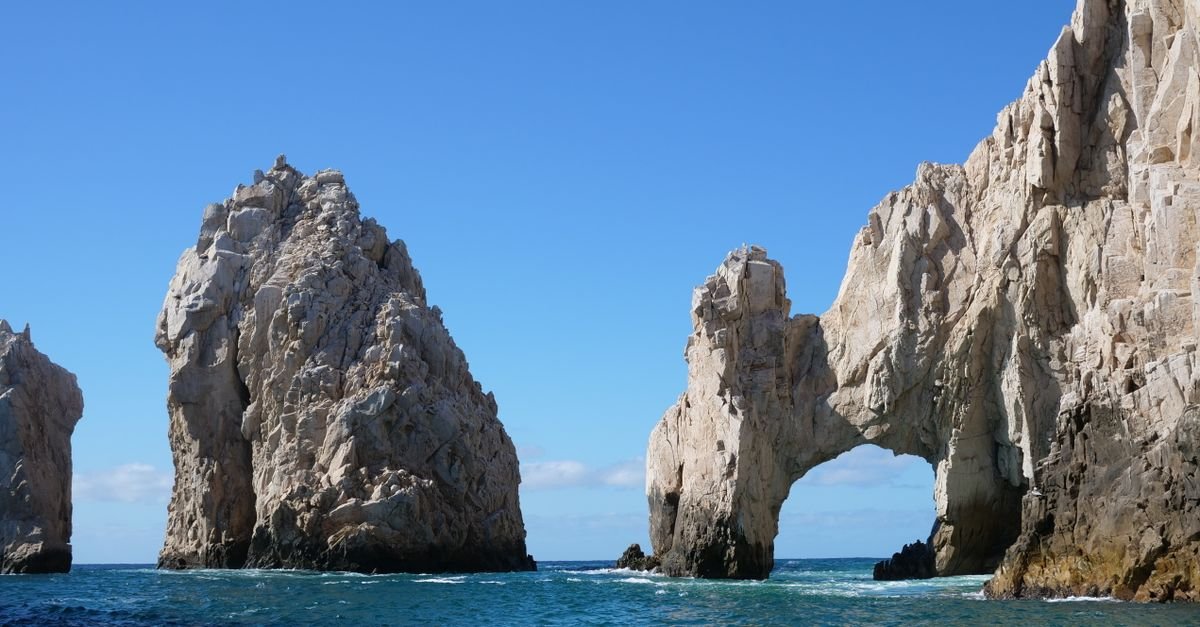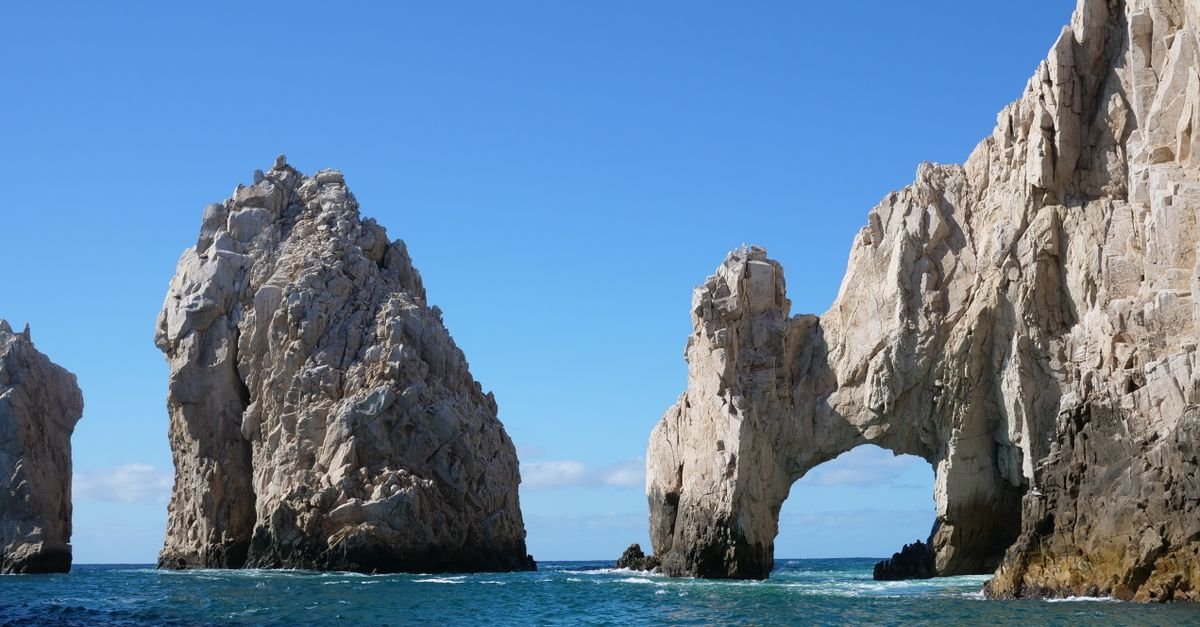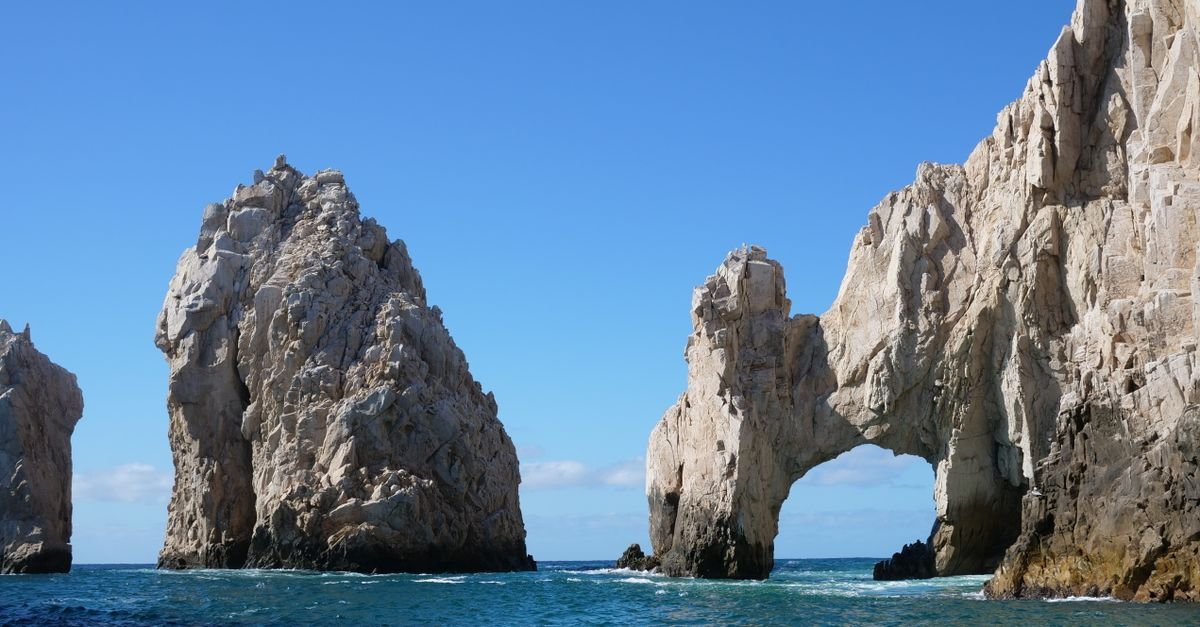

Finding the right nutritional advice for expats Cabo can transform your experience in this sunny paradise. Whether you’re savoring fresh catch from the Cabo San Lucas Marina or exploring local markets, understanding nutrition is key to thriving in a new environment.
Key Takeaways
- Explore local markets for fresh, affordable produce packed with nutrients.
- Take advantage of the area’s seafood by incorporating it into your meals for Omega-3 fatty acids.
- Stay hydrated with locally sourced fruits and coconut water to beat the Cabo heat.
- Prioritize a balanced diet that includes traditional Mexican staples while being mindful of portion sizes.
- Engage with local wellness communities for workshops and resources on healthy living.
Table of Contents
- Nutritional Advice for Expats Cabo: Understanding the Local Diet
- Exploring Local Markets: A Treasure Trove of Fresh Produce
- Incorporating Seafood into Your Diet
- Hydration: Staying Refreshingly Balanced
- Balancing Traditional Mexican Staples
- Cultural Considerations: Eating Out in Cabo
- Local Wellness Communities and Resources
- Navigating Food Labels and Nutrition Information
- Food Safety Tips for Newcomers
- What to Avoid When Adapting Your Diet
- Adapting to Seasonal Changes in Cabo
- Frequently Asked Questions
Nutritional Advice for Expats Cabo: Understanding the Local Diet
For many expats settling in Cabo San Lucas or San José del Cabo, adapting to the local diet can be both a delightful culinary adventure and a pathway to improved health. The cuisine here focuses on fresh ingredients, lending itself to nutritious meals that are filled with vibrant flavors. Incorporating local staples into your daily meals can not only satisfy cravings but also provide essential nutrients. Expect to find a variety of options from fresh seafood to colorful fruits and vegetables.
Common staples of the region include beans, corn tortillas, avocados, and an array of fresh fish caught from the nearby waters. One popular choice is the fish taco, often made with locally sourced fish like dorado or marlin, lightly battered and served with fresh salsa. You can enjoy this dish at places like Mariscos El Torito, where a meal can cost around $10 to $15. Mixing in a bit of black beans and guacamole not only enhances the flavors but also adds protein and healthy fats.
Boosting Flavor with Local Ingredients
One of the joys of living in Cabo is the access to incredible herbs and spices that enhance meals without the need for unhealthy additives. Ingredients like cilantro, jalapeño, and lime are staples in many dishes, and they add a refreshing kick without compromising health. Seek out locally sourced herbs at markets like the San José del Cabo Art Walk, where fresh produce vendors often share tips on how to use these flavors in daily cooking. You might even find organic options, especially during the peak tourist season from December to April, when various farmers’ markets pop up around town.
- Incorporate local seafood into your meals at least twice a week.
- Experiment with corn tortillas instead of flour for a healthier base.
- Add fresh avocado on top of salads or sandwiches for added creaminess and nutrition.
- Use herbs like oregano and epazote for enhanced flavor while keeping calories low.
Embracing the local culinary traditions not only satisfies your taste buds but also promotes a healthier lifestyle while living in Cabo. With such an accessible array of fresh ingredients, you’ll find it easy to maintain a nutritious diet that reflects the local flavor—quite literally!
Exploring Local Markets: A Treasure Trove of Fresh Produce
Cabo San Lucas and San José del Cabo offer an incredible variety of fresh produce, especially for those looking to maintain a healthy diet while living in or visiting this beautiful area. A visit to the Mercado Municipal in San José del Cabo is an experience not to be missed. This bustling market is home to a kaleidoscope of colors, scents, and flavors, offering everything from local fruits and vegetables to artisan bread and spices. You’ll find vendors eager to share their knowledge about their goods, along with traditional preparation methods and recipes that can make meal preparation a delightful adventure.
Seasonality plays a significant role in what’s available at the market. From May to September, tropical fruits like papayas and mangoes are abundant. These fruits not only satisfy your sweet tooth but are also packed with vitamins A and C, making them great for your immune system. Avocado, a staple in many dishes, is another fantastic option, offering healthy fats and nutrients. Prices are generally very reasonable; for instance, you can pick up a kilogram of ripe avocados for about 30 to 50 Mexican pesos. This symbolizes why local produce is not just tasty but can also be cost-effective in your weekly grocery budget.
Engaging with local vendors can enrich your culinary repertoire. Conversations with them often yield traditional recipes passed down through generations. They might share how to prepare a delicious salsa using local tomatoes and cilantro or offer tips on grilling fresh fish caught the same day. These interactions foster a sense of community and can genuinely elevate your cooking every week, making meal times much more enjoyable and authentic.
Popular Seasonal Produce Comparison
| Produce | Peak Season | Nutritional Benefits | Approx. Price (Pesos/Kg) |
|---|---|---|---|
| Papaya | May – August | High in Vitamin C, aids digestion | 25 – 40 |
| Mango | June – September | Rich in antioxidants, boosts heart health | 30 – 50 |
| Avocado | Year-round, best in summer | High in healthy fats, fiber | 30 – 50 |
Making an effort to shop at local markets like Mercado Municipal not only supports the community economy but also ensures you’re consuming fresh, nutrient-dense foods. Whether you’re preparing a vibrant salad or a hearty salsa, the ingredients you find there will not only be fresh but also filled with the rich flavors of Baja California Sur.
Incorporating Seafood into Your Diet
Seafood in Cabo San Lucas is not just a meal; it’s a celebration of local culture and community. From fish tacos at beachfront shacks to refreshing ceviche in upscale restaurants, there’s no shortage of delicious options for expats looking to incorporate fresh seafood into their diets. Each of these dishes typically celebrates the catch of the day, offering a rich source of Omega-3 fatty acids that are essential for heart health.
One of the best places to sample authentic fish tacos is at El Tacos de Gordo, famous for their Baja-style fish tacos. These usually cost around $3 to $5 each and are made fresh right before your eyes. Ceviche, a refreshing combo of fresh fish marinated in lime juice and mixed with tomatoes, onions, and cilantro, can often be found at places like Casa fría and ranges from about $10 to $15 per serving. It’s a perfect choice for a hot day, especially after a morning spent lounging at El Médano Beach.
Another wonderful aspect of seafood in Cabo is the sourcing. Many restaurants pride themselves on working directly with local fishermen. This not only ensures that you’re getting the freshest catch but also supports the community. Many fishermen can be found operating off the docks at Cabo San Lucas Marina. Their catch often includes varieties like dorado, tuna, and snapper, which are readily available at local markets such as Mercado Municipal. By choosing seafood that is locally sourced, you can feel good about enjoying your meal while contributing to the sustainability of the local economy.
Making Sustainable Choices
While indulging in seafood, it’s also vital to make informed choices to protect marine life. Overfishing has significant impacts on fish populations. Look for restaurants that advertise sustainable sourcing practices or have menus highlighting catch limits. When in doubt, ask your server about the seafood’s origins. Additionally, consider opting for smaller, more sustainable fish when possible. Species such as sardines and mackerel often have less environmental impact and are packed with the same heart-healthy benefits.
- Try fish tacos at El Tacos de Gordo for a quick bite.
- Sample ceviche at Casa fría after a morning at El Médano Beach.
- Visit local markets for the freshest catch directly from fishermen.
- Choose sustainable seafood options to support local ecosystems.
Hydration: Staying Refreshingly Balanced
The vibrant sun and warm climate in Cabo San Lucas and San José del Cabo can quickly lead to dehydration, making it essential for expats and tourists to stay properly hydrated. The heat, especially between May and September, can be relentless, with temperatures often soaring above 90°F (32°C). This is when you’ll see locals enjoying coconut water straight from the shell; it’s not just a delicious treat but also an excellent source of natural electrolytes. Keep your body in balance by drinking plenty of water, aiming for at least 2 to 3 liters a day, especially if you’re active or spending time on the beaches like El Médano Beach or Playa del Amor.
Infusing your water with local fruits can give it an appealing twist while adding vitamins and nutrients. Try adding slices of fresh lime or pieces of juicy watermelon. Both fruits are not only a local favorite but also relatively inexpensive—usually around $1 to $2 each at local markets like Mercado Municipal or when visiting vendors along the marina. These simple additions can transform plain water into a refreshing beverage that you’ll look forward to drinking throughout the day.
Investing in a reusable water bottle can also help you stay hydrated while minimizing your environmental impact. Look for options at local shops, which typically range from $10 to $25. This way, you can refill it at your hotel or at numerous spots around Cabo, including cafes or the Cabo San Lucas Marina, where friendly baristas often let you refill for free. Carrying a bottle means you won’t have to buy single-use plastic bottles frequently, helping keep your hydration routine environmentally friendly.
- Drink water regularly, especially before and after activities.
- Consider hydration packs if you plan on hiking to Land’s End or exploring the San José del Cabo Estuary.
- Always have a few options for flavored water ready to make hydration enjoyable.
- Be mindful of signs of dehydration, like dry skin or fatigue, which can creep up on you while enjoying the sun.
Balancing Traditional Mexican Staples
Living in Cabo San Lucas or San José del Cabo means having access to a vibrant and diverse culinary scene filled with traditional Mexican staples. While dishes like tacos and tamales are delicious and tempting, it’s essential to enjoy them in moderation to maintain a balanced diet. Many street vendors and eateries, from local favorites like Tacos El Gordo to established spots near the Cabo San Lucas Marina, offer generous portion sizes. A meal here might run you anywhere from $10 to $25, depending on your choices. To avoid overindulgence, consider sharing a plate or opting for simpler versions of these dishes.
Beans are a staple in many Mexican meals, and they offer fantastic nutritional benefits. Not only are they high in protein and fiber, which promote satiety, but they also provide essential vitamins and minerals. When dining out, look for dishes like enchiladas de frijoles or tacos de frijoles, which can often be found at local restaurants or during events like the San José del Cabo Art Walk. These bean-centric options can fill you up without emptying your wallet—often costing around $7 to $12 per plate.
Healthy Cooking Methods and Options
To keep meals healthy while still enjoying the flavors of the region, experiment with different cooking methods. Grilling is popular for many traditional recipes, especially seafood. Grilled fish tacos, made with fresh catch from the local markets, can be found for around $15 at beachside restaurants near Playa del Amor. Steaming is also a great option to minimize added fats while retaining flavor. Dishes like steamed tamales or light seafood dishes can be found at higher-end venues like The Cape, a Thompson Hotel, which offers a stunning view of the Arch of Cabo San Lucas while keeping wellness in mind.
- Watch portion sizes, particularly at local eateries.
- Opt for high-fiber bean dishes to feel fuller longer.
- Choose grilled or steamed options for a healthier meal.
- Explore local markets for fresh ingredients to prepare your meals at home.
Combining traditional cuisine with mindful eating will not only enhance your culinary experience but will also help you maintain a balanced diet during your time in Cabo. Enjoying meals with a focus on nutrition will allow you to soak in the vibrant culture without sacrificing your wellbeing.
Cultural Considerations: Eating Out in Cabo
Discovering the culinary scene in Cabo can be both exciting and overwhelming for expats. One standout characteristic of many restaurants here is the portion sizes. Typically, servings are generous, often enough for two or even three people. To avoid overeating, consider sharing a few dishes like the popular fish tacos, which usually range from $10 to $15 for a full order. Sharing not only helps in portion control but also allows you to sample a wider variety of flavors.
When exploring dining options, prioritize eateries that emphasize fresh, local ingredients. Cabo’s coastal location means you can indulge in some of the best seafood around. Visit places like Edith’s near El Médano Beach for locally caught fish served with a variety of healthy sides. Alternatively, check out Sardina Cantina for their delicious ceviche, made with fresh ingredients, typically priced around $12 to $18. These restaurants pride themselves on their menus filled with organic produce sourced from local farms, reflecting Cabo’s commitment to sustainable eating.
Healthier Cooking Methods
Don’t hesitate to inquire about cooking methods when ordering. Many local restaurants are more than willing to accommodate requests for healthier options. For example, ask if your seafood dish can be grilled instead of fried, which can significantly reduce calorie intake and enhance the dish’s natural flavors. Restaurants like The Cape, a Thompson Hotel, are known for their flexible approach to customers’ dietary requests. They might offer to prepare your meal using olive oil and fresh herbs instead of heavy sauces, putting the focus back on the freshness of the food.
- Popular Restaurants: Edith’s, Sardina Cantina, The Cape
- Average Dish Prices: Fish Tacos ($10-$15), Ceviche ($12-$18)
- Order Recommendations: Share dishes, request grilling methods
| Cooking Method | Calories (Est. per serving) | Flavor Profile |
|---|---|---|
| Fried | 500+ | Rich, heavy |
| Grilled | 200-300 | Light, fresh |
Local Wellness Communities and Resources
Living in Cabo San Lucas or San José del Cabo can be a delightful experience, especially when it comes to maintaining a healthy lifestyle. For those looking to enhance their well-being, local wellness communities and resources provide an excellent way to connect with like-minded individuals and gain knowledge about nutrition and healthy living.
One of the standout opportunities is the San José del Cabo Art Walk, held every Thursday evening from 5 PM to 9 PM. This event isn’t just about art; it’s often a gathering place for nutrition workshops and healthy living resources. Local vendors sometimes showcase organic produce and healthy food options, making it a perfect spot for expats to learn about nutritious choices in the area. You might also find cooking demonstrations that highlight local ingredients, which not only enrich your culinary skills but also broaden your understanding of healthy eating.
Social media can also play a significant role in your journey towards better nutrition. Platforms like Facebook host various groups tailored for expats in Cabo who are interested in health and wellness. By joining groups such as “Expats in Cabo Wellness” or “Cabo Health & Wellness,” you gain access to valuable tips, sharing everything from local market deals on fresh produce to low-calorie recipes. These groups often discuss events and classes and can be instrumental in finding community resources.
Explore Local Fitness and Wellness Events
Another avenue to enrich your nutrition knowledge is through local fitness classes that emphasize nutrition alongside physical activity. Many gyms and studios around Cabo offer classes in yoga, Pilates, and HIIT (High-Intensity Interval Training) that include sessions focused on dietary advice. For instance, the fitness center at The Cape, a Thompson Hotel, provides wellness classes that often host nutritionists who share insights on meal planning and healthy eating while incorporating physical exercise. Classes usually range from $15 to $30 per session, making it an affordable way to integrate fitness with nutritional education.
- Explore the San José del Cabo Art Walk for workshops and healthy eating resources.
- Join local Facebook groups focused on wellness for sharing tips and advice.
- Participate in fitness classes that provide nutritional insights, often found at locations like The Cape.
- Check local farmer’s markets for fresh, organic produce that supports a balanced diet.
Navigating Food Labels and Nutrition Information
Understanding Spanish food labels is key for expats looking to make informed dietary choices in Cabo. While most grocery stores and markets in Cabo San Lucas and San José del Cabo carry a range of products, knowing what to look for on the labels can help you assess their nutritional value. For instance, familiarize yourself with basic Spanish terms such as “calorías” (calories), “azúcares” (sugars), and “sodio” (sodium). These terms will appear prominently on packaging and will guide your selections, particularly if you’re trying to manage specific dietary needs.
Nutritional information is usually highlighted in a clear format on the back of products. Many labels indicate the total calories per serving, along with breakdowns of fats, sugars, and sodium — all factors to monitor. The median sodium content can range from 200 to 500 mg per serving in processed foods. For maintaining a balanced diet, aim to keep your sodium intake below 2,300 mg per day. This is especially important in a tropical climate like Cabo, where hydration and overall well-being can be affected by excessive sodium.
While exploring local markets such as the San José del Cabo Art Walk, you’re likely to encounter organic options. Such products can often be found at local health-focused stores like Organic Market, located near Palmilla Beach. Limiting processed foods can significantly boost your nutritional intake, enhancing your overall health and energy levels, especially if you’re engaging in activities around iconic sites like El Médano Beach or Land’s End. The prices for organic items can be higher, typically ranging from 20% to 50% more than standard products, but many expats find the investment worthwhile for better health.
- Look for terms like “sin azúcares añadidos” (no added sugars) and “orgánico” (organic).
- Check for labels that specify “natural” ingredients to minimize chemically processed options.
- Local farmers’ markets may provide fresh, organic produce at competitive prices — usually around $1 to $4 per item, depending on what’s in season.
Integrating this knowledge about food labels will help you shop wisely in Cabo. Understanding the nutritional needs for your lifestyle as an expat can result in not just better meals, but also improved health as you enjoy everything this beautiful region has to offer.
Food Safety Tips for Newcomers
Settling into life in Cabo San Lucas or San José del Cabo brings a wealth of flavors, but it’s essential to prioritize food safety to keep your health intact. One of the best strategies to avoid foodborne illnesses is to buy food from reputable sources. While the local markets often feature fresh produce and seafood, visiting established supermarkets or local grocery stores like Aki or Walmart is your safest bet for buying packaged goods and fresh items. These places maintain higher hygiene standards and offer products that have been more rigorously checked.
For seafood lovers, Cabo’s coastline presents some of the freshest catches around, but be selective. Check out restaurants like Wahoo Taco or El Coral for cooked seafood dishes, as they ensure freshness and proper handling. If you’re purchasing raw seafood from a market or roadside vendor, make sure it’s visibly fresh and kept on ice. Never buy seafood if it smells off or isn’t well-refrigerated; even the best restaurants can have bad days, but you can avoid unnecessary risks by sticking to the well-reviewed establishments.
Preparation Matters
Washing fruits and vegetables thoroughly before consumption is another crucial step. If you’re using produce from a local market or roadside stand, rinse them under running water and scrub surfaces, especially for items like apples and carrots. If you’re unsure about the water quality, it’s best to peel fruits and vegetables. You can find local avocados and tomatoes at the San José del Cabo Art Walk on Thursdays, which is a great way to support local vendors while ensuring your produce is fresh.
Street food can be enticing with its vibrant flavors and local flair, but it’s essential to exercise caution. Stick to vendors that are busy, as a higher volume typically indicates that the food is fresh and turnover is quick. Look for places like Tacos el Gordo or La Especial where crowds of local residents gather—this is usually a good sign of quality. When in doubt, ask locals for their recommended spots. Many residents have strong opinions on which vendors are safe and delicious, which can help steer newcomers in the right direction.
What to Avoid When Adapting Your Diet
Living in Cabo San Lucas or San José del Cabo brings exciting culinary opportunities, but it’s also vital to make informed choices. With the warm climate, heavy, rich foods can lead to discomfort, especially if you indulge too freely at local eateries. Seafood is a big draw here, and while fish tacos are tempting, try to balance indulgent meals with lighter options. For instance, salads topped with fresh mango or avocado are delightful and refreshing during the balmy summer months.
Avoid sugary drinks, which might seem like a refreshing choice on a hot day but can quickly lead to dehydration. Instead of sodas or excessively sweet cocktails, choose water or freshly squeezed juices. Many local spots, like those along El Médano Beach, offer delicious agua frescas, which are natural and hydrating alternatives. Opting for these beverages can make a significant difference in your hydration levels, especially when you’re active under the sun.
Excessive alcohol can also contribute to dehydration and should be consumed in moderation. Perfect for sunset views along the Cabo San Lucas Marina, local bars offer vibrant nightlife, but pacing your drinks is essential. Consider alternating cocktails with water or opting for lighter options like mezcal or tequila neat, which not only taste fantastic but pair well with local cuisine without the added sugars that cocktails often contain.
Focus on Whole Foods
While convenience can lure you into choosing overly processed snacks, especially when checking out events like the San José del Cabo Art Walk, staying mindful of your diet will serve you better in the long run. Processed snacks are often high in sodium and unhealthy fats, which can leave you feeling sluggish. Instead, think about easy-to-carry whole foods such as fruits, nuts, or granola bars. You can find fresh fruits year-round at local markets, like the Mercado Municipal in San José del Cabo, where you can pick up papayas, mangos, or avocados for roughly 20-50 pesos each.
- Choose light meals like ceviche or grilled fish.
- Stay hydrated with natural juices or water rather than sugar-loaded drinks.
- Snack on whole foods like nuts or fresh fruit instead of processed items.
These small adjustments can help you thrive in your new home while enjoying all the flavors Cabo has to offer!
Adapting to Seasonal Changes in Cabo
Adapting to the seasonal changes in Cabo San Lucas and San José del Cabo can significantly enhance your culinary experience as an expat. During the hotter months, typically from May to September, the weather can soar above 90°F (32°C), making heavy meals less appealing. This is the perfect time to focus on light meals that are not only refreshing but also nutritious. Fresh salads bursting with local produce, like the crisp romaine and arugula from the San José del Cabo Organic Market on Saturdays, are ideal. Toss in some hydrating fruits such as watermelon or cucumber, both of which are abundant in this region. You’ll find that local vendors often charge around $2 to $4 for a serving, so you can enjoy a healthy meal without breaking the bank.
As the cooler months roll in from October through April, temperatures in Cabo drop to a more comfortable range, often between 60°F (15°C) at night to the low 80s during the day. This shift invites you to embrace comforting soups and stews that warm you up while incorporating the region’s rich flavors. Try your hand at a traditional pozole, which is often made with locally sourced pork, hominy, and garnished with radishes and cabbage. Expect to spend about $10 to $15 for a hearty bowl at a local restaurant like El Toro Guero, known for its homestyle cooking.
Embrace Local Markets
Keeping an eye on seasonal produce is essential for staying healthy and enjoying variety. The San José del Cabo Art Walk on Thursday evenings also features local farmers’ stalls where you can pick up fresh goods directly from producers. During the autumn, avocados are plentiful and sprinkle itself across dishes, while winter citrus, like oranges and grapefruits, are at their peak from December to March. Look out for roadside markets, especially in the winter months when fresh seafood, such as snapper and shrimp, can be found at $6 to $12 for a dish prepared right by fishermen or at beachside eateries.
- May to September: Focus on salads and hydrating fruits.
- October to April: Soup and stew season, perfect for cozy dinners.
- Seek local farmers’ markets for best seasonal produce and prices.
- Try local dishes at reasonable prices ($2-$15) from chef-owned restaurants.
Frequently Asked Questions
What are the best local foods for expats in Cabo San Lucas?
Seafood is a must-try in Cabo. Fresh catches like mahi-mahi and shrimp are plentiful and often served with traditional salsas. Visit the Cabo San Lucas Marina area for some of the best ceviche and tacos at local eateries.
How can I stay hydrated while living in Cabo?
Cabo’s warm climate means hydration is key. Drinking coconut water can be an excellent way to replenish electrolytes. Many local supermarkets offer affordable bottled water, and you’ll find fresh juices at local markets, especially near El Médano Beach.
Are there healthy eating options available in San José del Cabo?
Yes! San José del Cabo has several organic markets, like Mercado Organico, where you can find fresh produce and healthy snacks. Enjoy the Art Walk on Thursday evenings to discover local restaurants that focus on farm-to-table dining.
What nutritional supplements should expats consider in Cabo?
Vitamin D is essential since Cabo has abundant sunshine, but some expats might not get enough exposure. Omega-3 supplements can also be beneficial due to the high fish diet. Pharmacies in the area, like Pharmacy & Doctors Cabo, offer a range of vitamins and supplements.
How can I maintain a balanced diet while enjoying Cabo’s nightlife?
Prioritize meals that include lean proteins and lots of vegetables before heading out. Restaurants near Playa del Amor often have great options like grilled fish tacos. Moderation is key—try to balance drinks with water and consider healthier appetizer choices.
What’s a good breakfast option for expats in Cabo?
Chilaquiles topped with fresh avocado and eggs make a hearty breakfast. Many cafés near Land’s End serve variations of this traditional dish, along with smoothies that can kickstart your day with vitamins and energy.
Should expats in Cabo be concerned about food safety?
It’s wise to be cautious. Stick to well-known restaurants and avoid street food if you have a sensitive stomach. Drinking bottled water and eating at places frequented by locals, especially near the Cabo San Lucas Marina, is generally safer.
What local snacks can I enjoy that are healthy?
Look for jicama sticks with lime and chili powder, a refreshing and crunchy snack. You can find these at local markets or snack stands around San José del Cabo, offering a satisfying way to beat the heat.
Contact us for fast and reliable in-room medical care!
Medical disclaimer: This article is for general informational purposes only and is not medical advice, diagnosis, or treatment. Always consult a licensed healthcare professional about your specific situation. In an emergency, call your local emergency number.