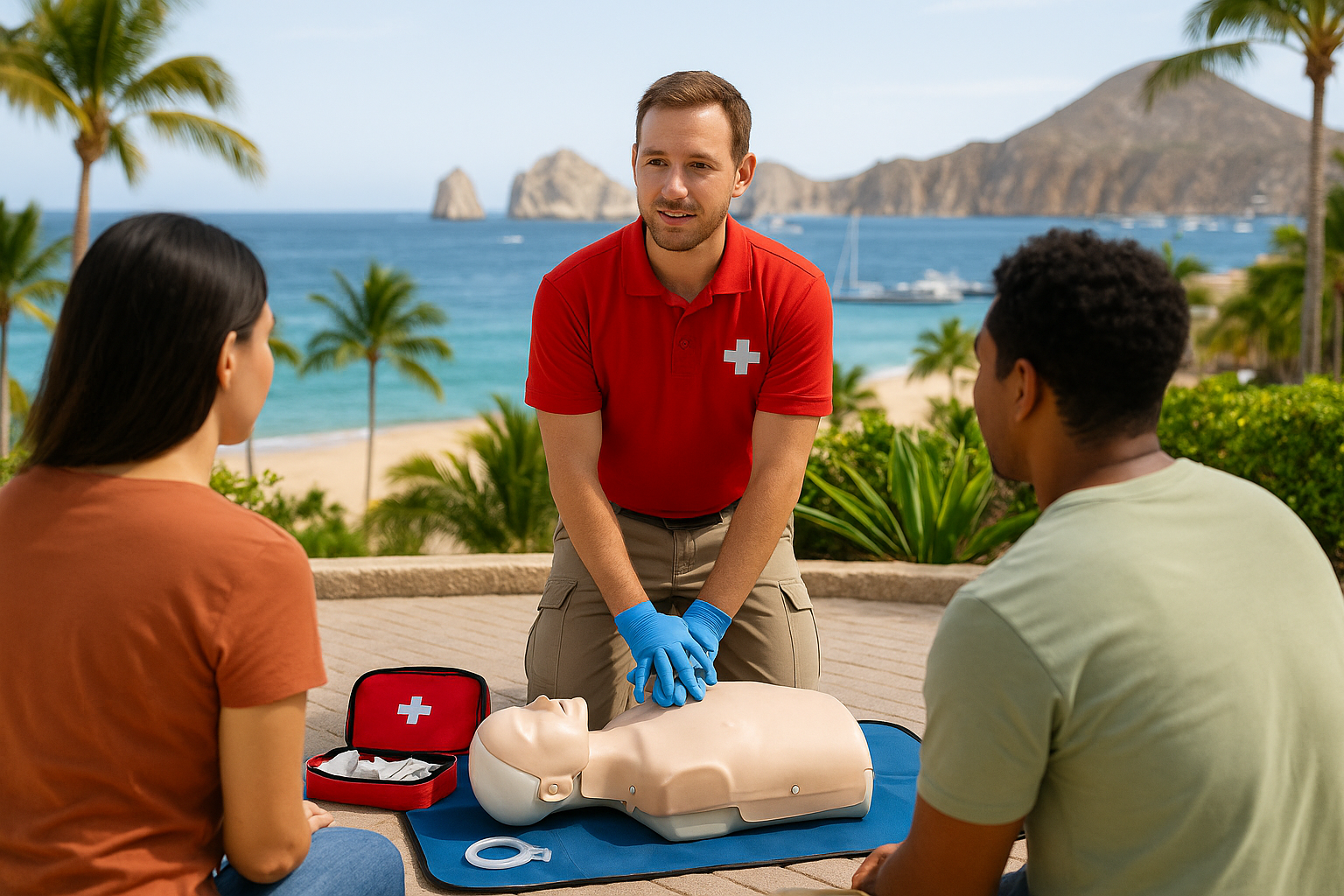

First aid training Cabo San Lucas is not just a safety measure; it’s a vital skill for tourists and residents alike. With its bustling beaches and vibrant nightlife, knowing how to handle emergencies can make all the difference in this popular vacation hotspot.
Key Takeaways
- Courses are typically offered year-round, with peak interest during tourist season (December to April).
- Local providers include both in-person sessions and online options, catering to various learning preferences.
- Basic first aid kits and supplies are essential, especially for outdoor activities around El Médano Beach and Land’s End.
- Certifications from recognized organizations can enhance job prospects for expats living in Cabo.
- Understanding common local medical emergencies can prepare travelers for unexpected situations.
Table of Contents
- Understanding First Aid Training Cabo San Lucas
- Types of First Aid Courses Offered
- Compare Local Providers for Training
- Costs and Certifications Available
- Logistics of Taking a Course in Cabo
- Seasonal Considerations for Training
- Incorporating First Aid Knowledge into Daily Life
- Safety Considerations in Cabo San Lucas
- What to Avoid During First Aid Situations
- Finding Resources and Additional Support
- Frequently Asked Questions
Understanding First Aid Training Cabo San Lucas
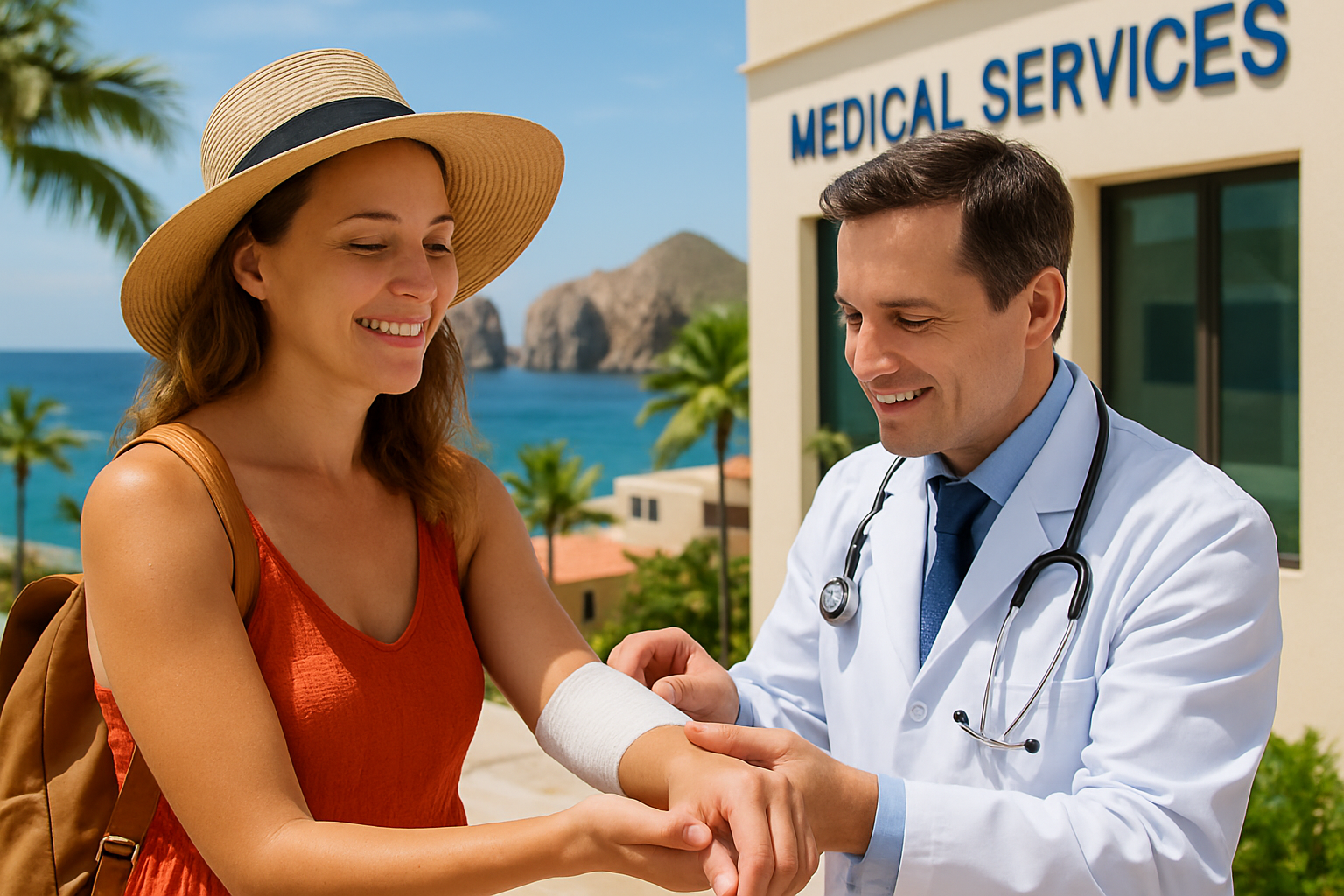
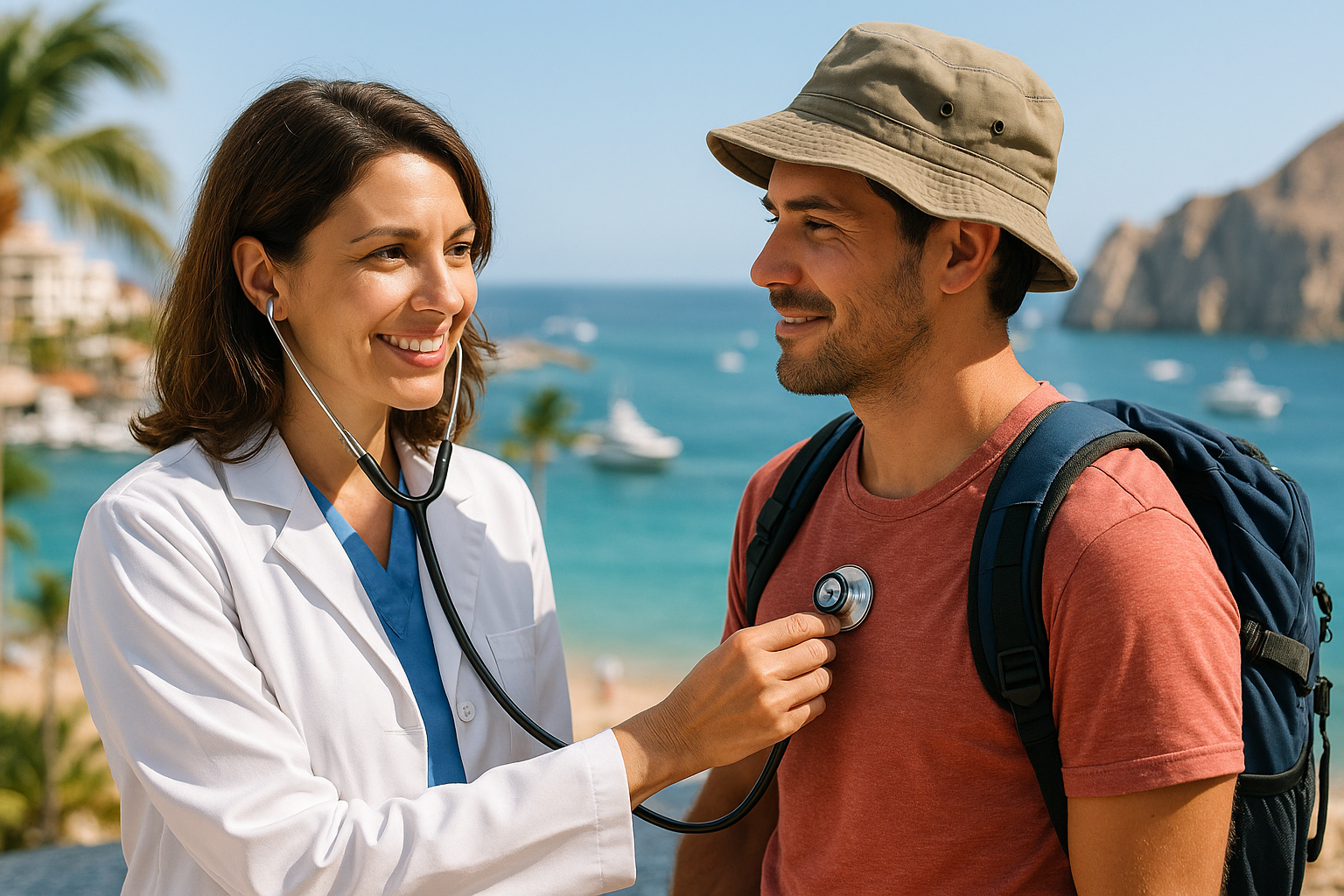
First aid training equips individuals with essential skills for responding to various medical emergencies, which are particularly relevant in a tourist-heavy area like Cabo San Lucas. Whether it’s a cut from a coral reef at El Médano Beach or a burn from the sun, knowing how to react appropriately can make a significant difference. Courses often cover basic skills such as CPR, wound care, treatment for allergic reactions, and how to handle common situations that might arise during a beach day or while exploring the stunning landscapes around Land’s End.
Local institutions offer a range of first aid training options, varying in length and depth. For instance, a basic course typically lasts a few hours and costs around $50 to $100, making it accessible for tourists who might be pressed for time. For those interested in more advanced training, such as wilderness first aid, some programs extend to two days and can range from $200 to $300, often including hands-on practice. Many local training providers, such as the Red Cross or independent instructors, focus on scenarios that expats and tourists are likely to encounter while enjoying the beautiful outdoor activities that Cabo has to offer.
Training Tailored for Cabo’s Environment
One of the appealing aspects of first aid training in Cabo San Lucas is the way courses are tailored to the unique environment. For example, classes might include lessons specific to the ocean, such as how to handle stings from jellyfish at Las Viudas Beach, along with emergency responses to minor accidents that occur in crowded settings like the Cabo San Lucas Marina. This customization helps participants feel more confident and prepared for real-life situations. Additionally, many courses are easily accessible, often offered in both Spanish and English, to cater to the area’s diverse population of residents and visitors.
- Basic first aid courses: 3-4 hour duration, $50-$100
- Advanced wilderness first aid courses: 2-day duration, $200-$300
- Custom scenarios relevant to tourists, such as beach safety and sunburn treatment
Partaking in first aid training while in Cabo San Lucas isn’t just practical; it can also foster a sense of community. Engaging in these courses often brings together locals and expats, creating connections beyond the classroom that enhance the overall experience of living or vacationing in this beautiful coastal town.
Types of First Aid Courses Offered
First aid training in Cabo San Lucas is an invaluable resource for both tourists and residents. With the area’s stunning beaches, outdoor activities, and vibrant nightlife, having essential medical skills can be a lifesaver. Basic first aid courses typically run around 2-4 hours and provide participants with fundamental skills. This training covers crucial areas such as wound care, splinting fractures, and recognizing the symptoms of common medical emergencies. These beginner-friendly sessions are often offered at community centers or local healthcare facilities like Pharmacy & Doctors Cabo, costing roughly $50 to $75 per participant.
For those looking to expand their knowledge, advanced first aid courses are a perfect option. These courses usually include CPR training and the use of Automated External Defibrillators (AEDs), which can be critical in emergency situations. In Cabo, these programs may also feature specialized modules on marine-related injuries given the area’s popularity with water sports. For example, courses often include how to handle jellyfish stings or sea urchin punctures, which are common issues for beachgoers. Expect to invest around $100 to $150 for these more comprehensive classes, typically lasting about 4-6 hours.
Specialized Training for Professionals
For those working in hospitality or outdoor tourism, specialized training programs address industry-specific first aid needs. These courses emphasize not only the general skills learned in traditional training but also unique scenarios like dealing with heatstroke at El Médano Beach or managing injuries incurred while hiking near the Arch of Cabo San Lucas. Most of these sessions span one to two days and can cost anywhere from $200 to $400, depending on the provider. This additional training can significantly enhance the safety and well-being of both employees and guests alike.
| Course Type | Duration | Cost |
|---|---|---|
| Basic First Aid | 2-4 hours | $50 – $75 |
| Advanced First Aid (Includes CPR/AED) | 4-6 hours | $100 – $150 |
| Specialized Training for Hospitality | 1-2 days | $200 – $400 |
Compare Local Providers for Training
When searching for first aid training options in Cabo San Lucas, you’ll find several providers that cater to both tourists and locals. One prominent option is Medics of Cabo. They offer a well-rounded first aid and CPR course tailored to the diverse needs of students in a bilingual format, making it easier for both English and Spanish speakers to understand. Classes generally run for about four hours, with hands-on training that covers crucial topics applicable to situations encountered in the region, such as water safety, heat-related illnesses, and common tourist accidents.
Reading reviews from previous participants can provide insight into the effectiveness of the training. Students often highlight the practical scenarios presented during the courses, which mirror real-life emergencies like sunburn treatment or first aid for injuries sustained at popular sites like El Médano Beach or Playa del Amor. You might find feedback on platforms like TripAdvisor or Google Reviews, where many expatriates and tourists share their experiences with local training providers. This can help you gauge the quality and reliability of the training.
Cost-wise, expect to pay between $50 to $100 for a comprehensive first aid training session, depending on the duration and the materials provided. Additionally, some providers, like Cabo San Lucas Fire Department, may also offer courses, sometimes in collaboration with local hospitals or health organizations, enhancing their credibility. Be sure to ask if the course includes a certification upon completion, which can be valuable for tourists planning to engage in activities like snorkeling at the Cabo San Lucas Marina or hiking the rugged trails around Land’s End.
- Look for courses that are a mix of theoretical knowledge and practical exercises.
- Check if the provider offers additional resources, such as online materials or follow-up workshops.
- Consider the timing; some classes are scheduled weekly, while others may be available on demand, especially outside peak tourist seasons.
- Inquire about group rates if you’re training with friends or family.
In Cabo, being prepared for emergencies isn’t just wise; it’s often necessary. Having first aid skills adds confidence whether you’re enjoying a day at Palmilla Beach or taking part in local events such as the San José del Cabo Art Walk.
Costs and Certifications Available
First aid training in Cabo San Lucas offers a range of options to meet various needs, especially as more tourists and expats engage in outdoor activities or simply want to be prepared for emergencies. Basic first aid courses typically range from $50 to $150, making them affordable for most people interested in learning essential life-saving skills. These courses cover foundational skills such as CPR, wound management, and how to respond to common emergencies.
For those seeking a more comprehensive understanding, advanced certifications cost upwards of $200. These often include more intensive training in areas like pediatrics and specific first aid for various outdoor activities, appealing to those who frequent places like El Médano Beach or Las Viudas Beach. Advanced certifications can enhance your resume, particularly for job seekers in hospitality and recreation, where employers often appreciate candidates with strong first aid knowledge.
Certification Recognition
Many of these courses offer certification from recognized organizations such as the American Red Cross or the National Safety Council. Having a certificate from a well-respected organization can be a significant asset, especially for expats who may be looking for work in Cabo San Lucas or nearby areas like San José del Cabo. Some local employers even prefer hiring individuals with a solid first aid background, as it demonstrates a level of responsibility and preparedness.
Interestingly, investing in first aid training could also lead to savings on your insurance premiums. Some providers offer discounts for individuals who have completed a first aid or CPR course within the past two years. So, not only are you gaining valuable skills and potentially enhancing your job prospects, but you might also lower your insurance costs. With the right training, you’ll feel more confident knowing you can help others in emergencies, whether you’re enjoying a sunset at Land’s End or mingling at the San José del Cabo Art Walk.
Logistics of Taking a Course in Cabo
Taking a first aid course in Cabo San Lucas or San José del Cabo is a smart move for tourists and expats alike, ensuring you’re prepared for any unexpected situations while enjoying the beautiful locale. Classes are frequently held at community centers and health facilities throughout the area. For instance, the San José del Cabo Health Centre offers regular first aid training sessions aimed at residents and visitors. Expect to pay around $50 to $100 for a comprehensive course that typically lasts about 6-8 hours, divided into both theory and practical training sessions.
If you’re staying at a resort like The Cape, a Thompson Hotel, or One&Only Palmilla, you might find that they offer first aid courses on-site or can assist in connecting you with local providers. Online course options also exist, giving you the flexibility to complete training from the comfort of your hotel room or at your own pace, which can be handy for those with packed itineraries featuring excursions to El Médano Beach or artistic experiences during the San José del Cabo Art Walk.
It’s wise to plan ahead and book your course early, especially from December to April, when Cabo is bustling with tourists. During this peak season, classes can fill up quickly, so a bit of advance planning can ensure you secure a spot. If you happen to miss a local session, some online platforms offer certification in as little as a couple of days, typically at a comparable price point.
- Check local community centers and the San José del Cabo Health Centre for scheduled classes.
- Expect courses to range from $50 to $100 for full-day training.
- Online courses provide flexibility and can usually be completed in a few days.
- Book in advance, particularly during peak tourist months.
Ultimately, taking a first aid course in Cabo can empower you and enhance your travel experience, allowing you to fully enjoy iconic sights like the Arch of Cabo San Lucas and the tranquil sands of Las Viudas Beach with confidence. Just a few hours of training can equip you with invaluable skills, making your stay safer and more enjoyable.
Seasonal Considerations for Training
Cabo San Lucas transforms into a bustling hub from December through April, attracting tourists eager to enjoy its stunning beaches and vibrant nightlife. This peak season offers the perfect backdrops for first aid training, allowing locals and visitors alike to learn crucial skills when crowds are at their highest. With numerous activities along the Cabo San Lucas Marina and the gorgeous El Médano Beach, everyone from families to adventure-seekers can benefit from knowing how to respond to emergencies that may arise in such a lively environment.
However, if you’re looking for a more personalized experience, consider scheduling your training during the quieter months from May to November. Classes tend to be smaller, meaning instructors can provide more focused attention. For instance, if you choose one of the local training providers, you might find classes ranging from $50 to $120 depending on the length and depth of the course. This often translates to increased hands-on practice and better retention of first aid techniques, which is invaluable when facing actual emergencies.
Promotions and Discounts
Keep an eye out for promotional offers during the off-peak season. Many local providers, like Pharmacy & Doctors Cabo, often run discounts on their first aid training courses to encourage participation when fewer tourists are around. This could mean a 10-30% reduction in fees, making the training even more accessible. Plus, these courses can usually be completed in just a few hours, giving you a quick but effective skill set.
- Peak Season: December-April, diverse training options
- Off-Peak Season: May-November for smaller classes
- Cost: $50 – $120 for a multi-hour course
- Potential Discounts: 10-30% during the quieter months
| Season | Class Size | Average Cost | Discount Opportunities |
|---|---|---|---|
| Peak (Dec-Apr) | 15-30 students | $70 – $120 | Rare |
| Off-Peak (May-Nov) | 5-15 students | $50 – $100 | Common (10-30%) |
By positioning yourself with first aid training in Cabo, you’re not just enhancing your personal safety skills, but also contributing to the well-being of those around you—whether you’re on a leisurely day at Playa del Amor or enjoying the beauty of the San José del Cabo Estuary. Being prepared can make all the difference during your time under the Cabo sun.
Incorporating First Aid Knowledge into Daily Life
Exploring the stunning beaches of El Médano or wandering through the colorful stalls at the San José del Cabo Art Walk is an exhilarating experience, but these activities also come with their own set of potential hazards. Knowing basic first aid skills can enhance your confidence and prepare you for any minor emergencies. Whether it’s handling a sunburn, addressing jellyfish stings, or treating mosquito bites, understanding first aid can make your vacation experiences more enjoyable and less stressful. Just imagine heading out for a day at Playa del Amor, fully prepared for any scratches or scrapes that might occur while adventuring.
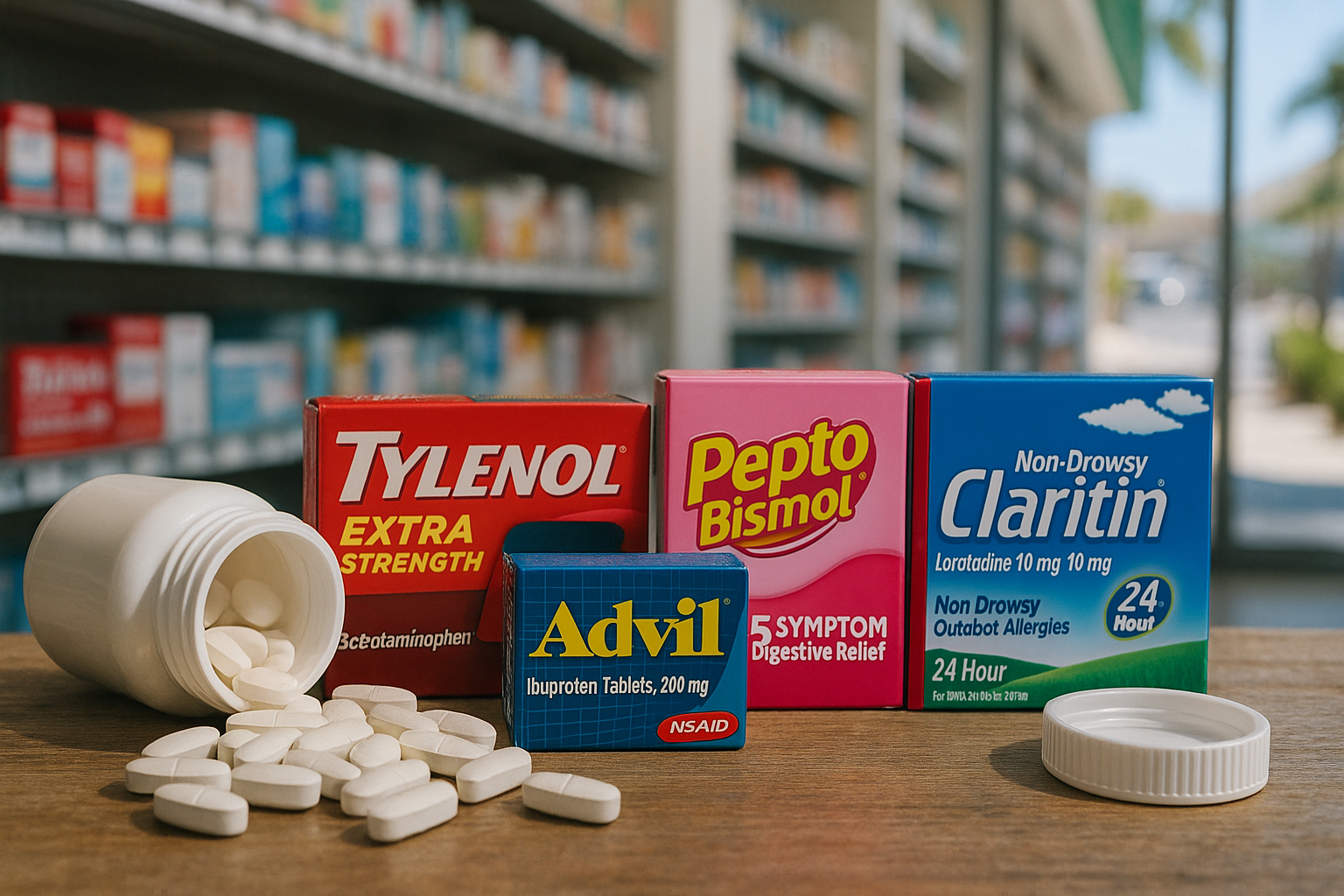
Equipping your home or travel kit with essential supplies is a practical step toward safety. Aim to include band-aids, antiseptic wipes, adhesive tape, and gauze pads—these can be found at local pharmacies like Pharmacy & Doctors Cabo, where you can also get expert advice on putting together your kit. On average, a basic first aid kit can cost anywhere from $20 to $50, depending on the contents. Familiarize yourself with how to use each item in your kit before any mishap happens. This way, when you enjoy your day out by the Cabo San Lucas Marina, you can focus on the stunning views instead of worrying about what to do if someone gets hurt.
Community Engagement and Safety Awareness
Engaging with local communities can significantly promote awareness of safety practices. Many neighborhoods in Cabo San Lucas host workshops that focus on emergency protocols, teaching valuable skills not just to tourists but also to expats looking to adapt to their new environment. Facilities like The Cape, a Thompson Hotel, often collaborate with local authorities to host health and safety days where you can learn essential first aid skills. Participating in these community events not only helps you mature your first aid knowledge but also fosters connections with locals and other travelers.
- Know local emergency contacts: In Cabo, for medical services, dial 911 for emergencies.
- Participate in community health events: Join workshops or safety fairs to enhance your skills.
- Stay informed about local hazards: Learn about specific risks in the area, such as local wildlife or environmental considerations.
Taking the initiative to incorporate first aid knowledge into your daily activities in Cabo San Lucas not only enhances your vacation experience but also provides peace of mind for you and those around you. With a little preparation, you can enjoy all that this stunning locale has to offer while ensuring you and your fellow adventurers stay safe.
Safety Considerations in Cabo San Lucas
Cabo San Lucas is a stunning destination, known for its beautiful beaches, vibrant nightlife, and thrilling water activities. However, it’s essential to remain aware of safety considerations to fully enjoy what this paradise offers. With several popular swimming spots, including Playa del Amor and Cabo San Lucas Marina, the risk of water-related injuries becomes a genuine concern. Strong currents, sudden waves, and rocky undercurrents can catch even experienced swimmers off guard.
Swimming at Playa del Amor, often favored for its scenic views and tranquil waters, can sometimes mask hidden dangers. It’s advisable to check the conditions before diving in. Lifeguards are typically present at busy beaches, but the level of patrol may vary, especially during off-peak seasons. Thankfully, services like Pharmacy & Doctors Cabo offer 24/7 assistance, including emergency medical help should an injury occur.
Understanding Local Wildlife Hazards
Another crucial aspect of safety in Cabo involves an awareness of the native wildlife. Jellyfish, which are not uncommon in the waters around Cabo, can pose a serious risk for swimmers. Encounters with these creatures typically peak during the warmer months, particularly between June and September. Their stings can be painful and may require immediate medical attention, so having access to a nearby pharmacy is prudent if you’re enjoying a day at the beach.
- Be vigilant of jellyfish warnings at local beaches.
- Observe local marine life from a distance—snorkeling spots near Land’s End can host a variety of fish and other animals.
- Pay attention to safety signage posted around popular swimming areas.
While exploring Cabo’s natural beauty, always assess your surroundings. Whether it’s the bustling San José del Cabo Art Walk or the serene Palmilla Beach, prioritizing safety ensures a more enjoyable experience. Stick to marked paths, avoid swimming alone, and familiarize yourself with emergency contacts. By taking these precautions, you can focus on creating unforgettable memories in Cabo San Lucas.
What to Avoid During First Aid Situations
Administering first aid in Cabo San Lucas, especially in bustling tourist hotspots like El Médano Beach or Cabo San Lucas Marina, requires careful consideration. While the instinct to help is admirable, individuals without proper training might inadvertently cause more harm than good. For example, applying incorrect pressure to a bleeding wound can worsen the injury or even lead to infection. It’s essential to have a solid understanding of first aid principles before stepping in during an emergency.
Another important aspect of first aid is ensuring that emergency personnel can access the scene easily. This means steering clear of crowded areas when accidents occur. If there’s an incident at popular locations such as Land’s End or the Arch of Cabo San Lucas, maintaining a clear path is vital. Emergency responders are often on a tight timeline, and even a few moments spent navigating through a crowd can make a difference. For example, during peak tourist seasons, accessibility may become an issue if tourists congregate in tight spaces.
Be alert to underlying injuries, as even minor incidents—like a fall on the smooth sands of Playa del Amor—can mask serious conditions. For instance, a seemingly harmless sprained ankle could involve fractures that require immediate medical intervention. Similarly, injuries sustained during water sports or hikes in the San José del Cabo Estuary can escalate quickly if left unchecked. If someone was injured while surfing off Las Viudas Beach and appears stable, don’t dismiss their condition without proper assessment. Symptoms like dizziness or faintness can signal deeper issues that are not immediately visible.
- Always assess your training before attempting to provide first aid.
- Clear crowded areas to allow for emergency services to reach those in need.
- Don’t underestimate minor injuries; they may pose significant risks.
- Assess the individual’s condition systematically to look for hidden injuries.
By understanding these pitfalls, you’re not only ensuring better outcomes for others but also protecting yourself from potential liabilities. When in doubt, calling locals like Pharmacy & Doctors Cabo for emergency support is a smart move. They offer 24/7 assistance and can help navigate any medical situation safely.
Finding Resources and Additional Support
Finding quality first aid training can significantly enhance your peace of mind while enjoying the stunning beaches and vibrant atmosphere of Cabo San Lucas and San José del Cabo. Fortunately, there are numerous resources available for both tourists and expats. One of the best places to start is by exploring local online forums and expatriate groups. Websites like Expat.com and Facebook groups dedicated to the expat community often feature discussions about local services, including recommendations for first aid courses. Members frequently share their personal experiences with specific trainers or organizations in the area, so it’s a goldmine for first-hand knowledge.
Additionally, the tourist information centers located at key spots like the Cabo San Lucas Marina and San José del Cabo’s downtown area are valuable resources. Here, you can find brochures and receive advice on upcoming first aid training sessions. Staff can point you toward local businesses offering courses, which often vary in price from $50 to $150, depending on the length and depth of the training provided. Some sessions may even be offered for free during community health fairs or educational events.
Explore Community Events
Cabo San Lucas and its surrounding areas boast a lively calendar of community events, and these can be a fantastic opportunity to engage in first aid training. For instance, health and wellness fairs often includes workshops that cover basic first aid techniques, CPR, and emergency response skills. You might find these events held at popular locations such as El Médano Beach or during the San José del Cabo Art Walks, which are hosted every Thursday evening. Participating in these workshops not only prepares you for emergencies but also gives you a chance to meet locals and fellow travelers.
- Check for announcements on community boards or local social media pages.
- Look for organizations like the Red Cross Mexico, which frequently hold training sessions.
- Sign up for newsletters from local gyms or wellness centers that might offer classes as part of their programs.
Gathering knowledge about first aid can be both practical and empowering. Making connections within the community and tapping into local resources ensures you’re well-prepared for anything that might come your way while enjoying the beauty of Cabo San Lucas.
Frequently Asked Questions
What is included in first aid training offered in Cabo San Lucas?
First aid training in Cabo San Lucas typically covers CPR, wound care, recognizing emergencies, and basic life support techniques. Courses may also include practical sessions where participants practice skills on mannequins or with instructors. Programs vary in length from a few hours to full-day workshops.
How can I find a first aid training course near El Médano Beach?
To find a first aid training course near El Médano Beach, check local community centers or contact pharmacies like Pharmacy & Doctors Cabo. Many local businesses offer courses tailored for tourists and residents, often held in accessible locations. It’s wise to book in advance, especially during peak tourist seasons.
Are online first aid courses available for residents in San José del Cabo?
Yes, several organizations offer online first aid courses that residents of San José del Cabo can take. These programs provide flexible learning options, allowing participants to study at their own pace. Just ensure the certification is recognized if you need it for work or travel.
How long does a first aid certification last?
Most first aid certifications are valid for two years. After this period, it’s recommended to renew your certification through a refresher course. Keeping your skills updated is especially important in areas with high tourist activity like Cabo San Lucas.
What is the cost of first aid training courses in Cabo?
First aid training courses in Cabo typically range from $50 to $150, depending on the duration and certification level. Some businesses might offer group rates or discounts for residents. Always check if materials and certifications are included in the price.
Can tourists get first aid training while visiting Cabo San Lucas?
Yes, many organizations cater to tourists interested in first aid training. Classes often run on a flexible schedule to accommodate vacationers. Booking a session during your stay at a hotel like The Cape or One&Only Palmilla can be convenient.
Is first aid training available for children in Cabo?
Some local providers offer first aid training specifically designed for children, focusing on age-appropriate methods and safety awareness. These courses can be a fun activity for kids, especially during family vacations, and often include hands-on practice.
Where can I practice first aid skills in Cabo San Lucas after training?
Practicing first aid skills in a real-world setting might not be feasible, but local organizations sometimes host refreshers or community events. Engaging with first aid groups or joining local emergency volunteer teams can also offer practical experiences to refine your skills.
Contact us for fast and reliable in-room medical care!
Medical disclaimer: This article is for general informational purposes only and is not medical advice, diagnosis, or treatment. Always consult a licensed healthcare professional about your specific situation. In an emergency, call your local emergency number.